DESIGN SYSTEMS · AI · LEADERSHIP · 2026
The System Behind the System
Inherited a multiplatform design system. Rebuilt it as an AI-readable, cross-functional foundation. Four weeks.
THE CHALLENGE
The Challenge
Building for where the product is going, not where it's been.
The existing design system was robust: a multi-brand, multi-platform foundation spanning iOS, Android, and web, with two switchable brand modes built in. It worked. But when leadership aligned on an AI-first product strategy, the system's architecture no longer matched the direction. The challenge wasn't fixing what was broken. It was making the case to move on from something that wasn't.
UNIQUE CONSTRAINTS
Ready for a pivot. AI optimized and readable. Now.
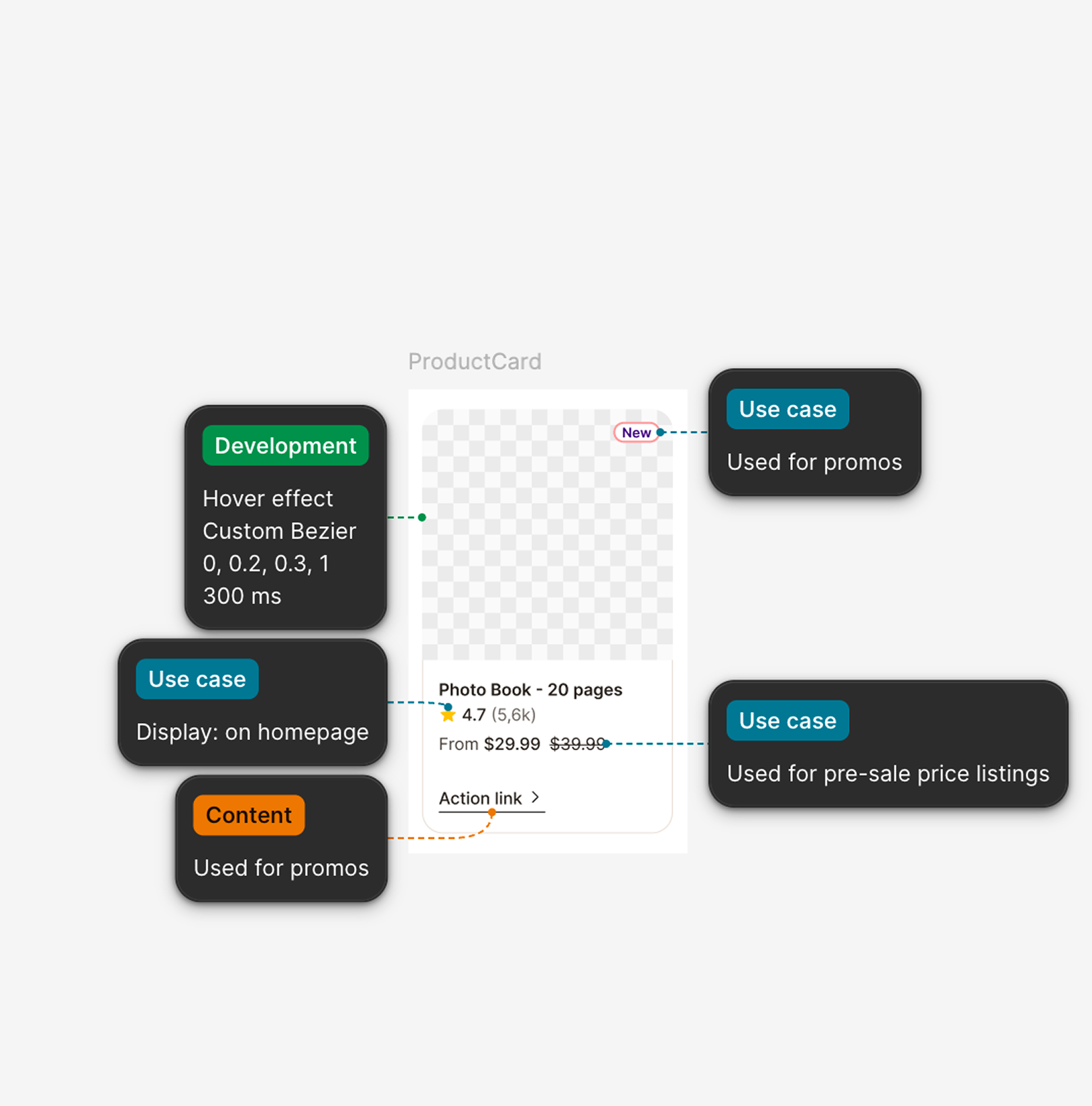
There's no established playbook for making a design system legible to an AI without human intervention. Every structural decision had to be validated from first principles: could a model generate on-brand UI from token names alone? Could it infer component usage from annotations? Getting to yes required both the architecture and the proof.
THE APPROACH
The Approach
Human judgment up front. AI velocity the rest of the way.
The first decision, and the most important one, was to validate the direction before touching a single file. I talked with design system practitioners at the leading edge of AI-native tooling to pressure-test whether AI-readability was a real architectural goal or just a buzzword. Once I was certain, I focused on two fronts in parallel: keeping leadership aligned on the strategic rationale, and keeping design and engineering moving side by side without blocking each other. Leadership communication meant translating AI-native concepts into product and business terms at every milestone. Engineering coordination meant building in continuous checkpoints so neither workstream was ever waiting on the other. AI was built into the process from day one: I used Claude Design, Claude Code, and custom co-work skills to compress the parts of system work that benefit most from AI acceleration, while keeping architectural decisions firmly human-led.
The Process
Discover
Conducted practitioner interviews across Slack communities, design system groups, and Zeroheight networks: contributors, consumers, and leads at scaled companies. Built custom Claude co-work skills to systematically audit the existing system, mapping what had strong structural bones versus what was optimized for a brand direction we were moving away from.
Define
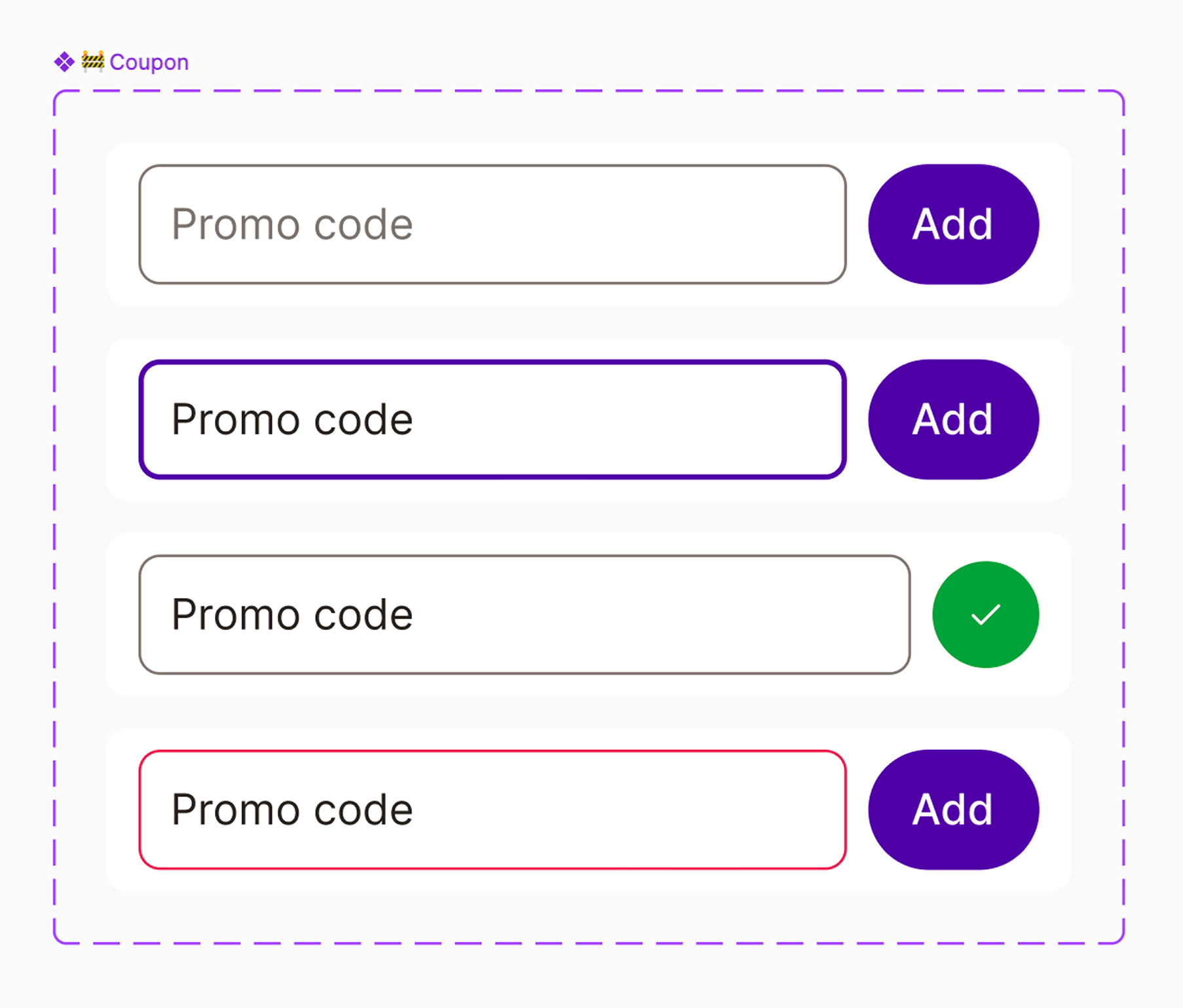
Worked with engineers and product leadership to translate the AI-first strategy into concrete system requirements. The constraint that shaped everything: every token, component, and pattern needed to be legible to an AI model without human mediation. In practice, that meant semantic token naming conventions, annotated component structures, usage documentation embedded directly in Figma, and a suite of Claude context files giving the model working knowledge of the system.
Design
Used Claude's context files to prototype how the system would actually be consumed by an AI: could a model generate on-brand UI from the token descriptions alone? Could it interpret component naming correctly? Ran those tests with product designers and PMs to validate before building. Ran icon integration in parallel so it couldn't become a blocker.
Deliver
Ran a shared environment where designers and engineers could test the new system before v1 locked, building real confidence rather than theoretical buy-in. Kept design and dev running in parallel, coordinating the handoff so nothing stalled at the seam. Shipped v1 in two weeks from kickoff.
The Outcome
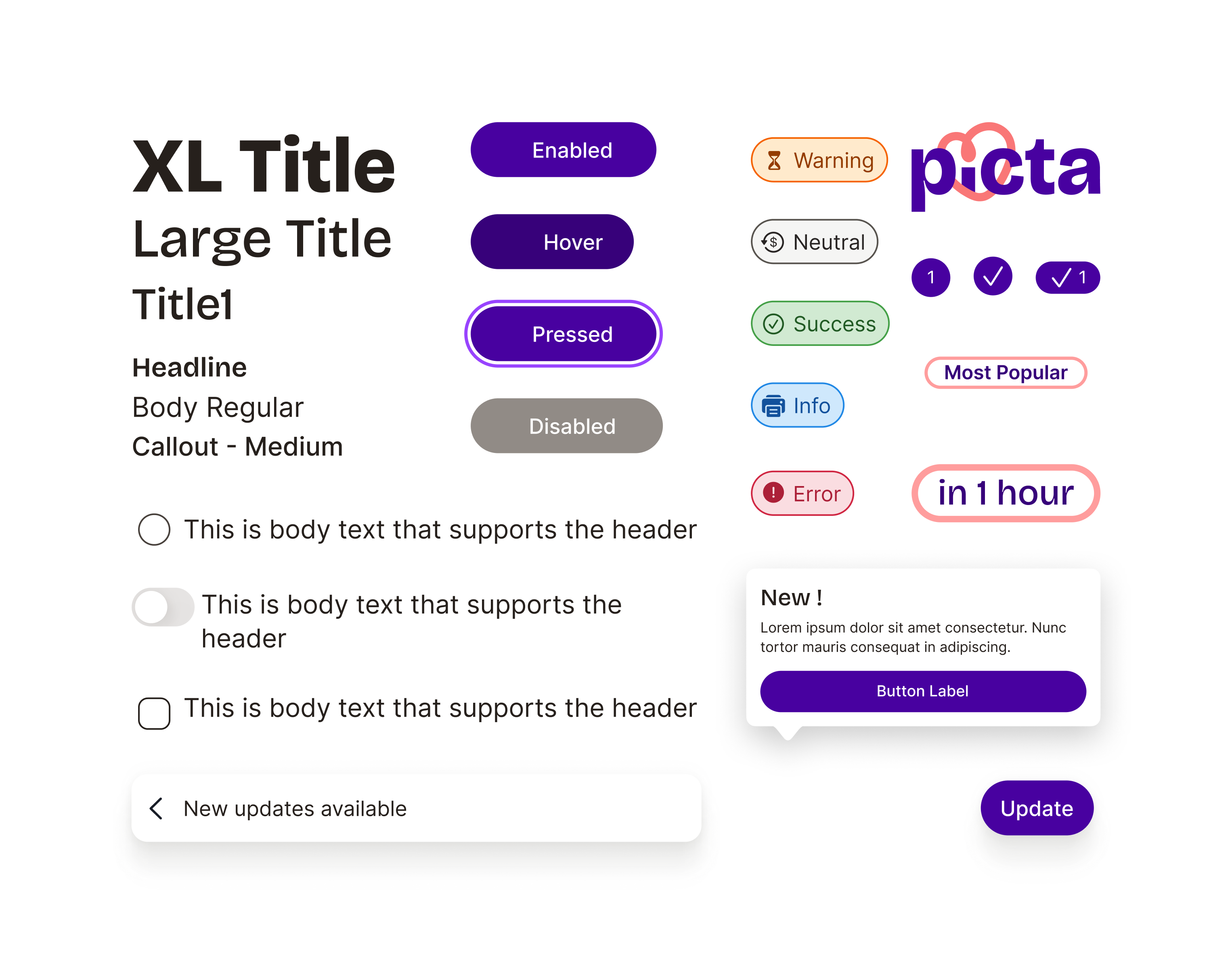
Four days from v1 to production proved that AI-boosted workflows aren't theoretical. Claude was shipping new capabilities throughout the engagement, which meant staying adaptive became a skill we practiced constantly, not an exception we managed around. The bigger outcome was cultural: the team now had a reference point for what a genuinely AI-native pace looks like. If I were doing it again, I'd map earlier which workstreams Claude co-work accelerates versus where strong human judgment still moves faster. That distinction shaped how I delegated, and knowing it sooner would have changed how I planned.